Community Living Project has a proud history shaped by family leadership.
Innovative projects and initiatives are informed by research and input from leaders in community and inclusion from around the world.
Partnerships have been formed with like-minded organisations.
Funding support has been granted through organisations who support our mission.
The Neighbourhood Circles project looked at the role of local neighbourhoods as spaces of inclusion, safeguarding and support
Current projects and initiatives
Australia's Disability Strategy National Forum
2026
CEO Chris Meyer was invited to speak on a panel on safeguarding and health at Australia’s Disability Strategy National Forum in February 2026.
Chris spoke of the great liberation and safeguards in belonging. He shared examples of people who have been assisted to have ordinary lives, fill valued roles, make contributions, follow their interests and passions, make mistakes, learn from them and grow as a person. Where they are known in their community, are appreciated for who they are, their contributions and missed if they are not there.
Chris highlighted the issues arising where the NDIS has removed funding for Circles of Support facilitation and failed to recognise the value and capacity of friendship and freely given support.
Exploring Micro Enterprise - Discover ME
2019-2026
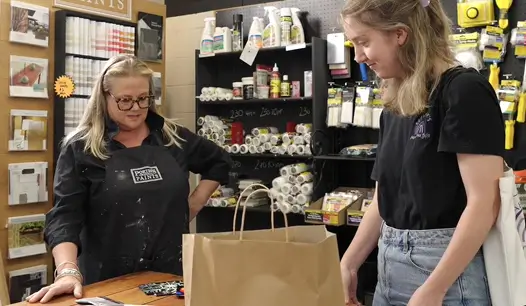
This project has involved outreach and story telling to inspire families, educators and service providers to believe in the capacity of people with disability to have meaningful careers.
Information sessions and workshops have been presented within South Australia and interstate. CLP hosted a Micro Enterprise Summit in 2022.
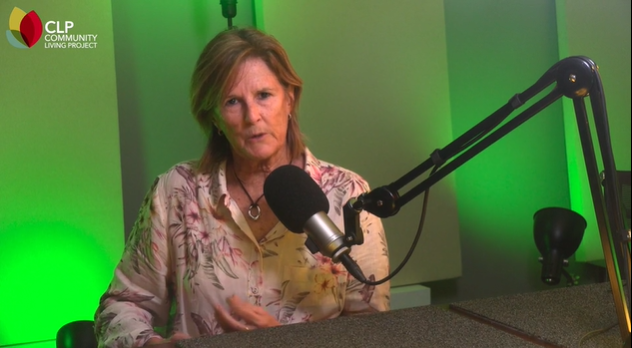
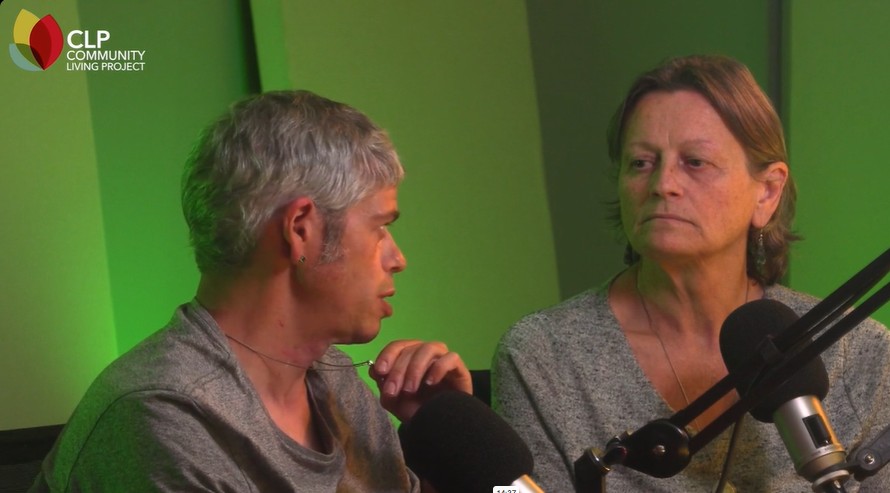
Videos and podcasts have been recorded and shared, as well as reporting in the mainstream media.
A partnership with the University of South Australia has seen videos about Micro Enterprise embedded into relevant curriculum.
Discover Micro Enterprise
16 Videos
7.08
6.15
0:16
5:28
3.45
24:36
23:08
2.35
8.40
6.56
8.08
5:38
8.46
7.55
9.00
4.02
Discover ME, Exploring Opportunities received funding from the Australian Government Department of Health, Disability and Ageing.
Past projects and initiatives
Community Living Services
2024 - present
Community Living Services was introduced with a reinvigorated focus on the importance of supporting the person to develop their vision as the centrepiece for what and how services are delivered.
Community Living Services was developed as a result of the Model Coherency support service review and merged and replace the previous Self-directed-supports and Supported Living.
In 2026 CLP conducted a targeted survey to understand the impact of the service changes on people supported and their families.
We heard that:
The most important aspect of our service delivery is the quality of the workers,
People supported and their families are not interested in how we operate internally as long as they retain their workers,
People are very happy overall with the services they receive,
People are recommending CLP to people looking for services, and
People are happy to share their workers with another person if they are a good match for that person, it has been discussed with the original person for whom the worker was hired, and they are not impacted by it.
The Family Council, first named the Family Advisory Council, was created to strengthen the voice of people we support and a safeguard for the CLP values.
The council consists of family members of people supported and contributed to the setting of strategic objectives and policies affecting service delivery. The council authored the 10 underlying principles for CLP in assisting people to life their own unique and purposeful life of inclusion.
The council has put future meetings on hold during 2025. The Service Quality committee continues to build on this work.
Support service review
2022-2023
CLP embarked on a Model Coherency review, a systematic process developed by Dr Wolf Wolfensberger. It is a means of using Social Role Valorisation (SRV) to deeply review a human service.
The review was led by Darcy Elks, a senior SRV trainer and expert from the USA. A group of 12 senor staff, board members and family members took part, meeting with Darcy online regularly over 6-month period.
People receiving support from Supported Living and Self-directed Support services were interviewed by the review team members. They then considered the information collected against the CLP mission statement.
The team found some points of tension and from this, designed and proposed changes to service delivery to merge the two support services to one.
Neighborhood Circles Project
2020-2024
The Neighbourhood Circles project aimed to support increased knowledge and understanding on the role of neighbourhoods as spaces of inclusion, safeguarding and support.
The project was delivered through “Inclusive Neighbourhoods” a collective of agencies working together to promote kindness, connection and togetherness in communities in a safe and lasting way. The project partners were Community Living Project, the South Australian Council of Social Service (SACOSS) and Purple Orange.
Inclusive Neighbourhoods was made possible thanks to funding from the Department of Premier and Cabinet and the MS McLeod Benevolent Fund.
The Neighbourhood Circles Project was recognised as a Very Neighbourly Organisation that upholds and promotes the principles of Neighbours Every Day.
Regional support for Micro Enterprise
2001-2022
A trial engaged and trained local people to support the Micro Enterprise process for to people living in the regions around Mt Gambier, Victor Harbor, Nuriootpa and Port Pirie.
Despite initial enthusiasm it was challenging to sustain interest in micro enterprise. It also proved difficult for people to successfully secure NDIS funding to support their micro enterprise.
The trial was made possible through Funding from the Department for Social Services ILC grant for Discover Micro Enterprise.
Introducing Circles of Support
2020-2021
This project invited families, allies, funders, planners services providers and community members into critical conversations about safeguarding people through strengthening their unpaid supports.
The Introducing Circles of Support project received a 2-year grant from the Norman H Johns Trust.
Self-directed Supports through family leadership
2018
Self-directed supports was introduced, with the person and their families supported by an Inclusion Coach. Self-directed Supports was guided by the Seven Steps to Self-direction model (developed by Griffith University, 2018) built on respect for the natural authority and wisdom of the family.
Start with the person
Develop the vision and plan
Make a good match
Learn to support the person well
Build a relationship of trust
Solve problems quickly and locally
Check for resilience.
Service delivery focussed on practices that create opportunities for inclusion, enable right relationships and deliver assistance that is strongly aligned to the person’s individual needs and wishes.
The merging of Self-directed Supports and Supported Living in 2024 created Community Living Services.
Circles in School
2013-2016
Circles at school aimed to provide students with disability and their parents a network of support and belonging to assist in strengthening their chances of a successful, inclusive education and participation in their school and local community.
Circles@School was supported and funded by the South Australian Department for Education.
Micro Enterprise Project
2012-present
Career creation through micro enterprise was established in response to the limited career opportunities available for people who live with disability.
With initial funding from the JFA Benevolent Fund ad the state government, the Micro Enterprise Project (MEP) launched as a two-year trial project. At the completion of the trial period an external evaluation confirmed MEP’s success in delivering positive outcomes for participants. This led to extended funding from the JFM Fund and the Wyatt Trust, ensuring MEP’s continued operation until the implementation of the NDIS.
Circles Initiative
2004-present
Circles of Support stared with a handful of people assisted by CLP.
“We had become aware that, while we had created a highly individualised support service, people who we assisted mostly on had paid workers or family in their lives. They did not have many, if any, freely given strong relationships” Jayne Barrett
Modelled on research from the efforts of a small group of people in North America, CLP developed the Circles of Support framework and methodology
In 2004, a small grant from Macquarie Bank enabled CLP to trial Circles of Support. The success of the initial trial led to seed funding from Julia Farr McLeod Trust, followed by state government support. Today people use their NDIS funding for Circle of Support facilitation.
Supported Living and famlies as employers
1991
CLP services redeveloped to Supported Living and families as employers.
Innovative supports
1984-1989
Driven by those families who wanted something different than was on offer, CLP led with innovation.
Stage 1 (1984) Mobile training team Stage 2 (1986) Supported weekends and holidays Stage 3 (1989) Individual long term supports
Community Living Project Incorporated
1984
Under the leadership of Ross Womersley, first CEO, and Jayne Barrett, the values and principles held by PODs were established and implemented in the planning of the newly formed Community Living Project.
CLP was soon recognised as a leader in the field of service provision for people living with intellectual disability.
Parents of the Disabled South (PODs)
1982
In the early 1980s, the only option available to adults living with intellectual disability in the family home and wanting to live independently, was institutional type care with people unknown to them, away from family, friends and the community where they were known and included in every day life.
Wanting something very different, 20 families in the Christies Beach area formed a group to explore the possibilities of providing a full and independent life in the community.
The group took their proposal to the relevant state and commonwealth departments to discuss forming an organisation which would be totally different and unique in every aspect from that which was the current option.